
Diana Stelin: Why Creativity?
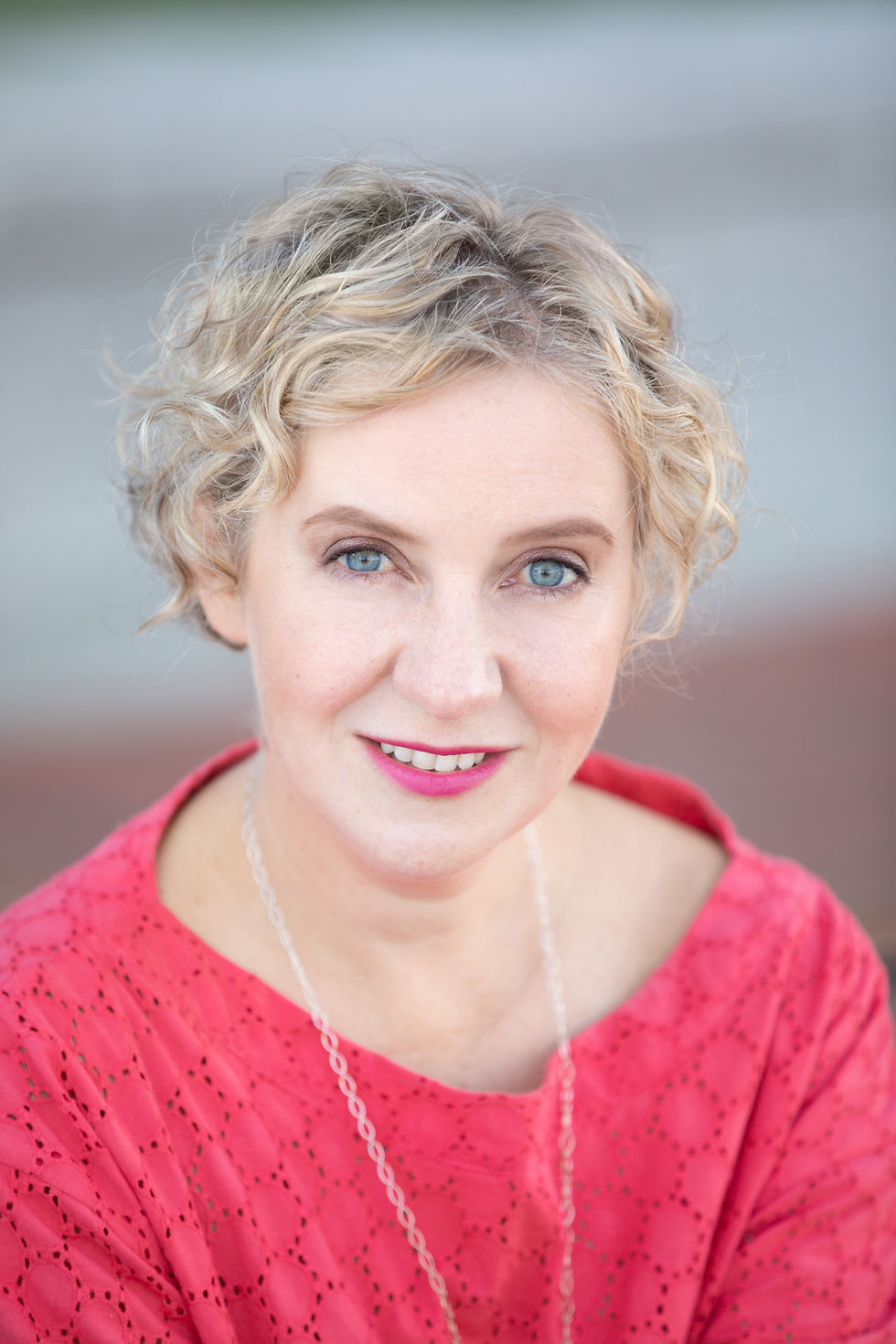
From Moldova to Cornell
I was thirteen when we left Moldova. I didn't speak the language yet, and kids at school had a way of letting me know I didn't belong—the usual cruelty reserved for the new girl.
I found a dilapidated factory building in Newark that had been converted into artist studios, and I went there to disappear. It wasn't ambition. It wasn't a career plan. It was simply the one place where nobody needed me to explain myself. That's the thing I've been trying to build ever since. A third space. Not home. Not school. A place where people can be unfinished out loud.
Years later, at Cornell, I studied painting and became fascinated not only by art, but by the way creativity changes how we pay attention. We spent hours drawing from observation, yet I found myself increasingly drawn to the landscapes around us—the gorges, waterfalls, and changing seasons that seemed to hold stories of their own. A semester in Rome deepened that curiosity. Learning the ancient encaustic painting technique and walking through a city layered with centuries of history taught me that places, like people, reveal themselves slowly if we're willing to look closely.
Building the Academy
After my second child was born, I went searching for an art program for my oldest son. What I found were plenty of crafts and activities, but very little that treated art, history, culture, and creativity as something meaningful and transformative. So I built the program I wished existed. What started as a small teaching studio grew into the Plein-Air Art Academy, later a gallery, a community, and eventually a body of work that has taken me from local exhibitions to the Venice Biennale.
Why It Works for Kids and Executives Alike
Along the way, I discovered something unexpected: the same transformation I witnessed in children happened in adults. A child struggling to draw a rose learns patience, observation, and resilience.
An executive who hasn't made anything with their hands in fifteen years experiences something remarkably similar. Different ages. Same process.
That realization led me to explore the neuroscience of creativity and eventually to develop the ideas behind my TEDx talk, Creativity as an Antidote to Burnout. The research gave language to something I had already witnessed thousands of times: when people create, they become more present. More curious. More willing to take risks. More connected to themselves and to one another.
Today, that belief shapes everything we do.
The gallery showcases artists whose work invites reflection and connection.
The academy helps children build confidence through creativity. Our workshops help teams navigate change with greater adaptability and imagination.
They may look like different businesses from the outside, but to me they are all expressions of the same idea. I don't believe art is a luxury or a nice extra.
I believe creativity is one of the few places left where a person—whether eight years old or fifty—gets to try something difficult, make mistakes safely, and discover something new about themselves in the process. That's the whole project. Everything else is simply the form it takes.
What I believe:
-
Creativity is a life skill, not a talent.
-
Confidence grows through practice, not praise.
-
Mastery requires discomfort.
-
Community accelerates growth.
-
The future belongs to adaptable thinkers.
Explore the Work: